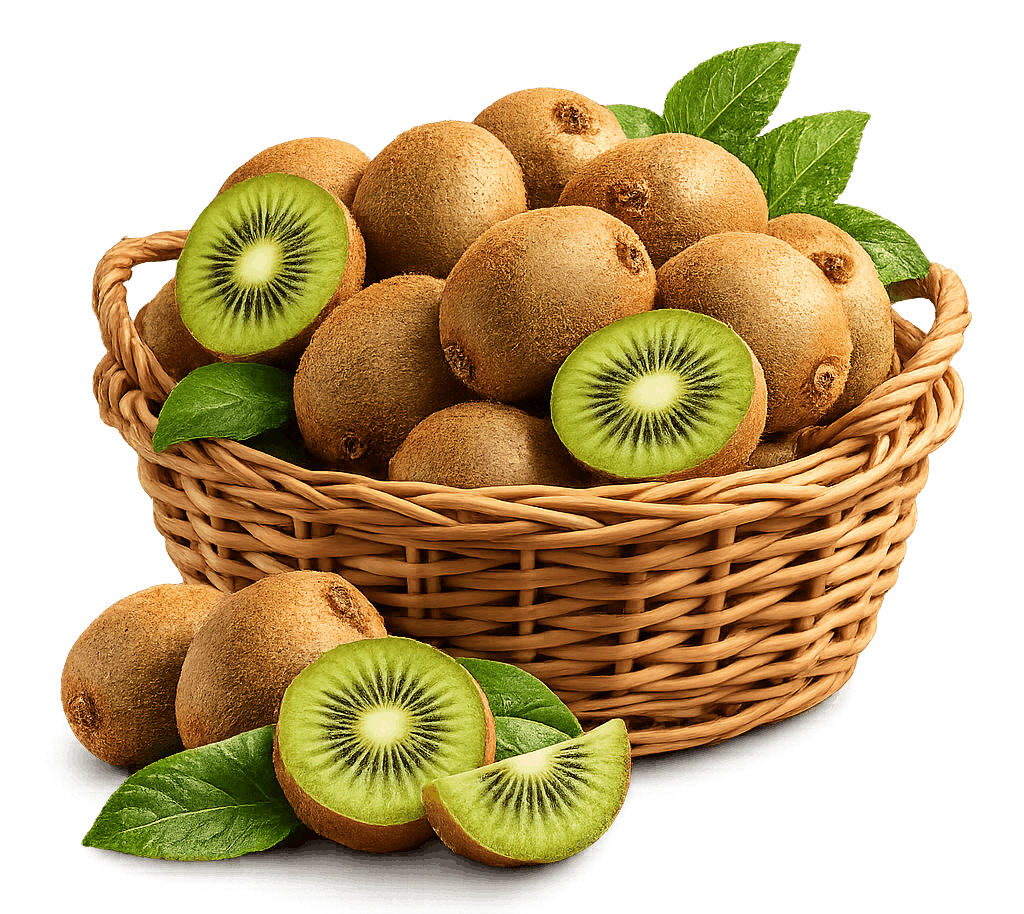
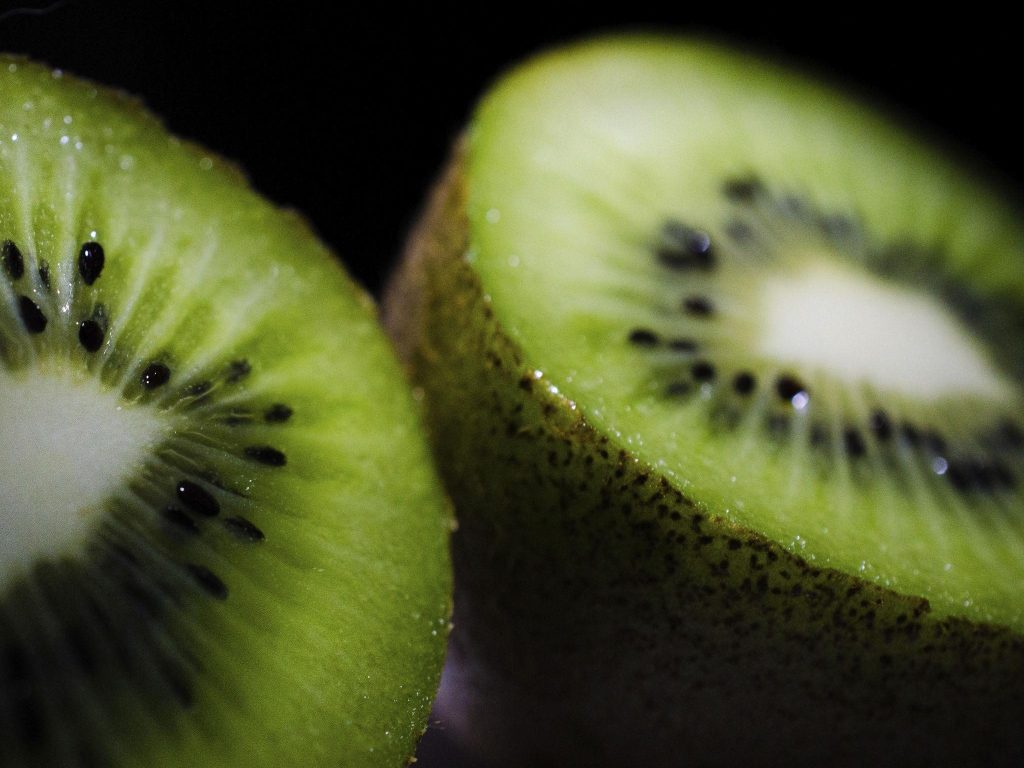
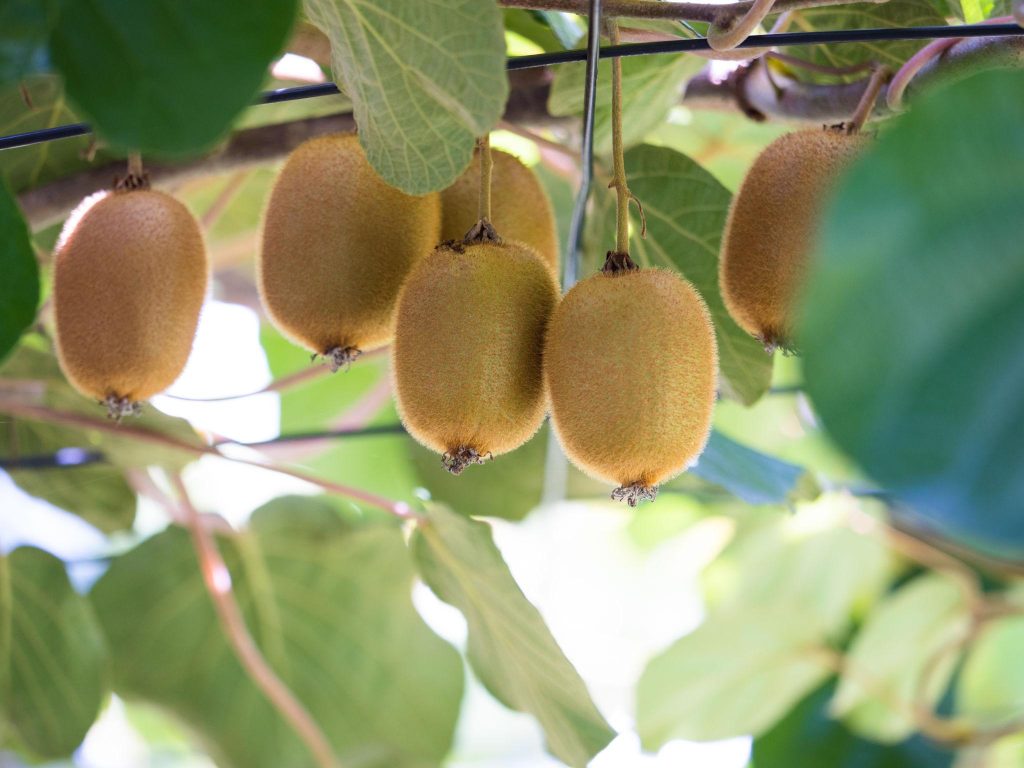
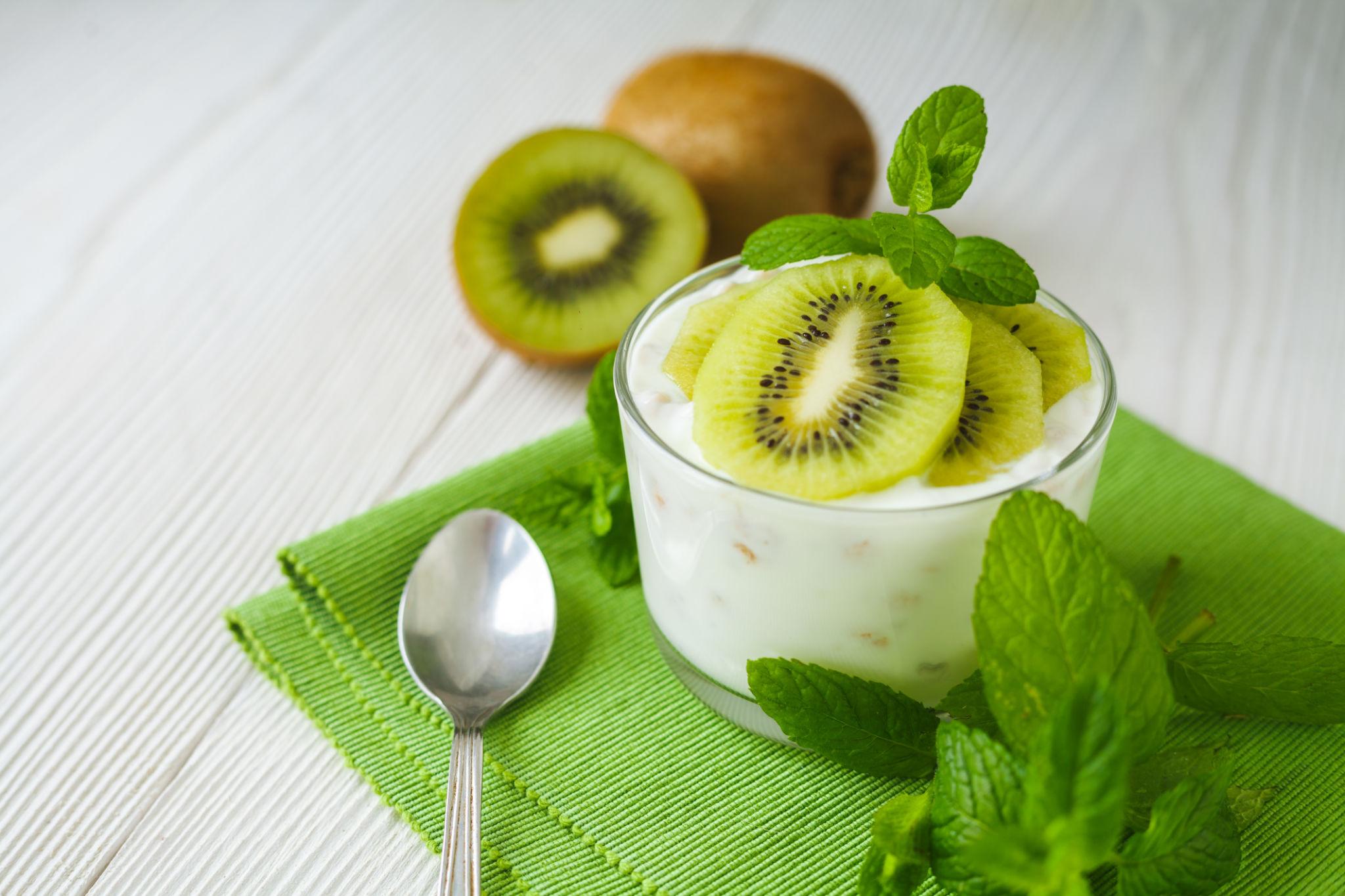
Kiwifruit, also known as the “Chinese gooseberry,” is a highly nutritious fruit of the genus Actinidia. Renowned for its vibrant green flesh, tiny black seeds, and unique tangy-sweet flavor, kiwi is rich in vitamins C, K, and E, as well as dietary fiber and antioxidants. Its versatility makes it ideal for fresh consumption, smoothies, desserts, and culinary creations worldwide.
Iranian kiwis are classified by calibers, which indicate the number of fruits packed in a standard 10 kg box. The lower the caliber number, the larger the fruit size. For example, calibers 30–33 represent large fruits weighing around 100–120 grams each, while calibers 39–42 are smaller, averaging 70–90 grams per fruit.
When loading for export, each trailer typically carries 26 pallets. The distribution of calibers across these pallets can vary depending on customer requirements and market demand. A common loading arrangement might include a mix such as 10 pallets of caliber 33, 9 pallets of caliber 36, 5 pallets of caliber 39, and 2 pallets of caliber 42.
This flexible system allows buyers to request the combination that best suits their market preferences, with the option to substitute calibers.
| Hayward Kiwi | Variety |
|---|---|
| Dark brown, slightly fuzzy skin; bright green flesh with small black seed | Color & Texture |
| 60–70 g / 70–80 g / 80–90 g / 90–100 g / 100–110 g / 110–120 g | Size (weight per fruit) |
| Sweet-tart, firm, juicy | Taste |
| One container- 23 tons | Minimum order |
| Plastic Baskets- Custom packing on request | Packing |
| Store in a clean, dry place at 0°C to +1°C | Storage Condition |
| 2–3 months under optimal conditions | Storage life |
| FOB, CIF, CFR | Incoterms |
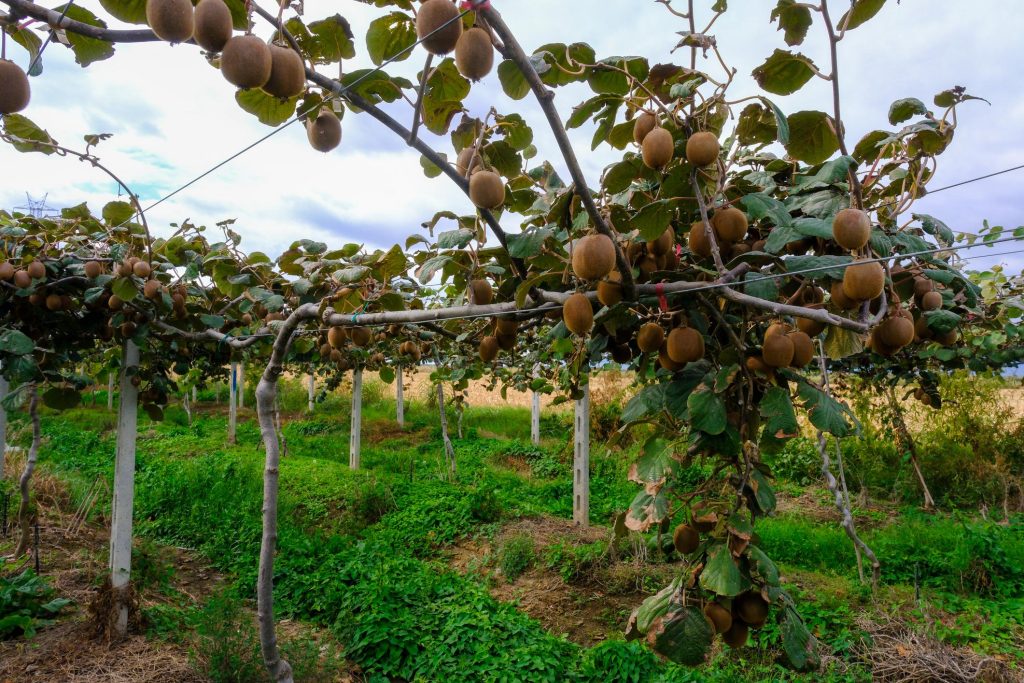
Iran has rapidly established itself as a producer of high-quality kiwis, cultivated in the fertile regions of Gilan, Mazandaran, West Azerbaijan and key districts such as Talesh and Astara.The region’s temperate climate, fertile soils, and carefully managed orchards allow the production of fruit with firm texture, rich flavor, and excellent shelf life. Iranian kiwis are primarily of the Hayward variety, prized for its large, juicy green flesh.
| Notes | Timeline | Stage |
|---|---|---|
| Pollination period, crucial for fruit development | March – April | Flowering / Bloom |
| Fruit develops on the vine; size gradually increases | April – July | Fruit Set & Growth |
| Monitor sugar content (Brix) and firmness for harvest readiness | August – September | Maturity Check |
| Fruit is picked at optimal maturity for export-quality | Late September – Early November | Harvesting |
| Sorting, grading, packing in cartons for shipment | Immediately after harvest | Post-Harvest Handling |
| Store at 0–1°C, 90–95% RH to maintain freshness | October – March | Cold Storage |

Dates have long been a favorite fruit among Iranians. I remember that before eating sweets and chocolate with Bob tea, my mother always ...

Banana Properties in Traditional Medicine According to traditional medicine, banana has a warm and moist nature. For this reason, its consumption is beneficial ...